The Essence of Luck in Gambling
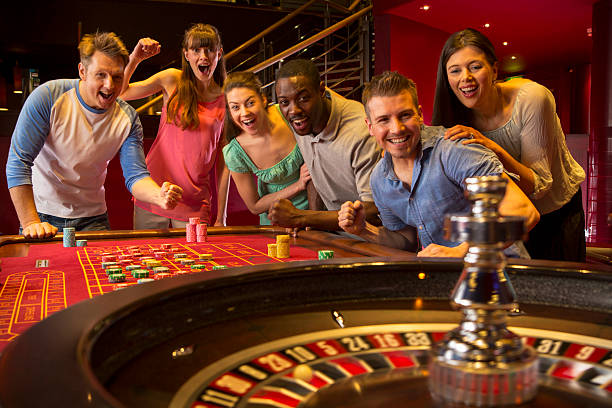
Luck is often termed the ‘wild card’ in the realm of gambling, and for good reason. It represents those unpredictable factors that can dramatically sway the outcome of a game, making it one of the most compelling elements of the casino experience. Players enter these establishments with the hope that fortune will smile upon them, especially as they chase the chance to improve their odds and winrate mega888 can significantly enhance their overall excitement. This inherent uncertainty is what makes gambling both exhilarating and nerve-wracking, as victories can arise from mere happenstance.

Understanding the role of luck involves acknowledging that it is not just a whimsical concept but a foundational aspect of chance-based games. For instance, in games like roulette, outcomes hinge entirely on where the ball lands, an event that is beyond the player’s control. Similarly, in slot machines, the random number generator ensures that each spin is independent, emphasizing that luck is the primary determinant of success. This reliance on chance can evoke a rollercoaster of emotions for players, often leading to intense highs and devastating lows.
Moreover, luck serves to level the playing field among casino patrons. A novice could walk through the door and, through a string of fortunate events, leave with substantial winnings, showcasing the unpredictability of luck. This element of chance is integral to the allure of gambling; it invites players from all walks of life to join in. The idea that anyone can strike it rich at any moment is a crucial part of why casinos are thrilling destinations, attracting millions of enthusiasts each year.
The Mathematics of Chance
While luck plays a vital role in gambling outcomes, understanding the mathematics behind chance can enhance a player’s strategy. Each game in a casino operates under specific odds, which dictate the probability of winning. Grasping these odds can reveal how often a player might expect to win or lose over time, introducing a level of sophistication to the gameplay. For instance, knowing that different types of bets in roulette offer varying payouts can help players decide how to allocate their funds more effectively.
Furthermore, casinos design their games to ensure a house edge, meaning that while luck is a significant factor, the odds are always in favor of the casino in the long run. This reality does not diminish the importance of luck but highlights the balance between skill, strategy, and chance. Players must recognize that while they can strategize, the outcome of each game is ultimately a product of random events, reinforcing the idea that luck is a powerful and unpredictable force.
Understanding the interplay between mathematics and chance can also affect how players approach their betting habits. For example, they may choose to manage their bankroll in a way that maximizes their time at the tables while acknowledging the unpredictability of immediate outcomes. By recognizing that luck influences not only individual results but also the overall gambling experience, players can cultivate a mindset that embraces both the thrill and the risks inherent in casino gaming.
The Psychological Impact of Luck
The psychological effects of luck in gambling are profound, influencing players’ emotions and decision-making processes. When individuals experience a winning streak, it can lead to a phenomenon known as the ‘gambler’s fallacy’, where they believe previous wins will predict future successes. This cognitive bias can result in overconfidence, prompting players to chase losses or place larger bets, driven by the belief that good fortune is bound to return. This psychological trap underscores the complex relationship between luck and rational decision-making in casinos.
Conversely, a string of losses can lead players to feel demoralized, causing them to doubt their judgment and luck. This emotional fluctuation can compel some players to abandon their strategies or increase their bets in hopes of recouping losses, despite the highly unpredictable nature of luck. The psychological highs and lows associated with gambling can become addictive, creating a cycle where players chase the thrill of winning and the validation that comes with it.
Moreover, the social environment of casinos can amplify these psychological effects. When surrounded by other players celebrating wins, individuals may feel pressured to continue playing, regardless of their current luck. This atmosphere can create a false sense of security, where the excitement of the game overshadows rational thought. Understanding how luck and psychology intersect is essential for players aiming to maintain a healthy relationship with gambling, allowing them to enjoy the thrill while recognizing the inherent risks.
Navigating Luck and Strategy
While luck is a predominant factor in casino games, employing a strategic approach can enhance the overall experience. Players who understand how to combine luck with strategy can improve their outcomes, particularly in games that incorporate skill, such as poker and blackjack. For instance, poker relies heavily on the ability to read opponents and make calculated decisions, allowing players to influence outcomes beyond mere chance. In these scenarios, skillful players can leverage their understanding of probabilities to maximize their odds in conjunction with favorable luck.
Moreover, establishing a game plan that accounts for both luck and strategy can help players maintain control over their gambling experiences. This includes setting limits on how much to bet and having a clear understanding of when to walk away. Recognizing that luck can both favor and challenge them enables players to approach each game with a balanced perspective, fostering a sense of empowerment rather than complete dependence on chance.
Ultimately, the ability to navigate the unpredictable realm of luck while incorporating strategic thought can lead to a more rewarding gambling experience. Whether players are enjoying a game of slots or engaging in a strategic card game, understanding the dynamic interplay of luck and skill allows for greater enjoyment and potentially enhanced results, all while embracing the inherent uncertainty of each play.
The Significance of Casinos
Casinos serve as vibrant entertainment hubs where luck and strategy collide, providing a unique atmosphere that draws people in. Beyond mere gaming, they offer a full experience that includes dining, entertainment, and social interaction, making them important destinations for leisure activities. The design and ambiance of casinos are meticulously crafted to enhance the emotional experience of players, making the thrill of chance a central component of the overall appeal.
In addition to providing entertainment, casinos contribute to the economy by creating jobs and generating revenue. They attract tourists and locals alike, contributing to the local culture and economy. Understanding the role of chance in these establishments emphasizes not just the individual player experience but also the broader societal impact of gambling venues. As players engage with luck through interactive games, they partake in a larger operation that fosters community and economic development.
Ultimately, casinos embody the delicate balance between luck and human experience, serving as venues where chance becomes a shared journey. As players continue to flock to these establishments, the excitement surrounding the role of luck remains a powerful driving force. Whether one wins or loses, the experience itself encapsulates the thrill of possibility, ensuring that the allure of chance in casinos continues to captivate audiences for generations to come.